

New BDC report: Record-breaking newly built home market share for heat pumps and electric heating
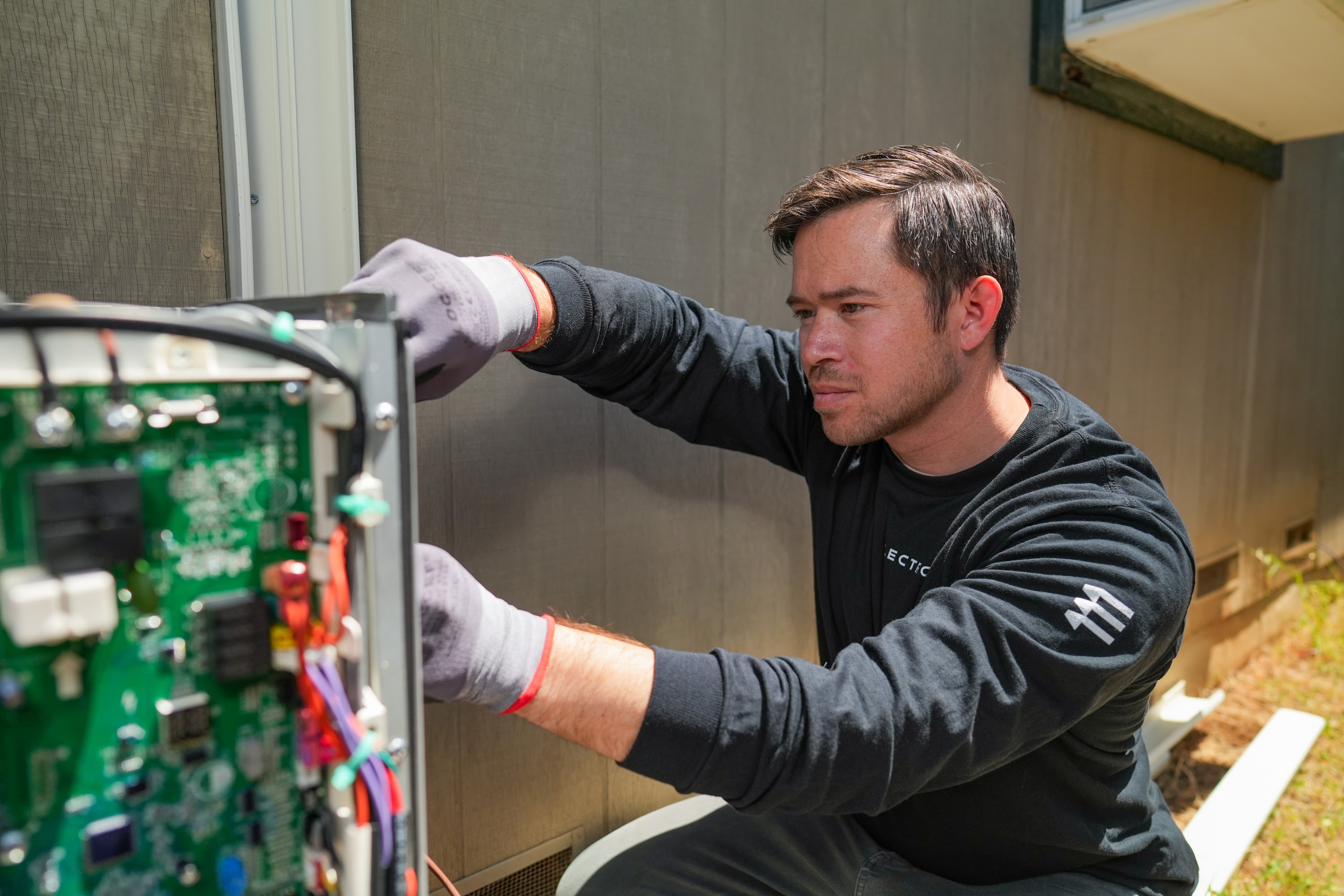
Contractor installing a heat pump outside a house
Report finds gap in gubernatorial candidate platforms on energy affordability: few propose reining in gas infrastructure spending to lower utility bills
SACRAMENTO, CA, UNITED STATES, July 14, 2026 /EINPresswire.com/ -- Released today, the Building Decarbonization Coalition’s (BDC’s) Momentum Q2 | 2026 report includes findings that show momentum for building decarbonization in the U.S. continues to grow, with the highest-ever new home market share for electric heating and heat pumps outpacing furnace sales by more than 30% in the first quarter of 2026.
Specific HVAC market insights from the report include:
• The construction industry is shifting away from installing gas heating systems to heat pumps in newly built homes, with heat pumps and other types of electric heating equipment reaching their highest market share yet (61%) in new housing units in 2024, while gas heating recorded its lowest market share (38%) in new homes since 1985.
• The HVAC industry continues to drive building decarbonization, as evidenced by heat pump shipments surpassing gas and other fossil-fuel furnace sales by 32% in the first quarter of 2026, and heat pumps recording shipments that were only 2% less than air conditioners in the quarter, the smallest first quarter gap between the two ever recorded.
• In the U.S., heat pump sales have doubled over the past 15 years, from 1.8 million annual shipments in 2010 to 3.64 million in 2025.
The report also found that energy affordability is an important political issue heading into the midterm elections this fall, with utility bills increasingly appearing in campaign debates over cost of living, utility profits, rate cases, data centers, climate policy, and corporate accountability after residential gas and electricity bills rose by a median of roughly 17% across states from 2019 to 2024.
However, while gubernatorial and other political candidates are raising the issue of energy affordability on the campaign trail, few are discussing how reducing utility spending on expensive and unnecessary gas pipelines and other delivery infrastructure investments can help lower utility bills for millions of American households.
“Buildings are central to securing long-term energy affordability,” said Kristin George Bagdanov, Associate Director of Research at the Building Decarbonization Coalition. “Failing to include building decarbonization policy in energy platforms indicates that a candidate doesn’t have a holistic approach to ensuring that households can afford to heat and cool their homes. This is a basic necessity and an issue that families are facing day to day with real financial as well as health consequences.”
Building decarbonization projects, bills, and proceedings advance in multiple states
Other findings from the report provide further evidence that momentum for building decarbonization is accelerating in the U.S.:
• This year's state legislative sessions have seen a host of new building decarbonization bills focused on energy affordability and consumer protections, with 22 such affordability bills introduced in 12 state legislatures and 10 passed into law so far this year.
• Line extension policies that would remove subsidies for gas system expansion are advancing in 12 states and D.C., which could result in these states soon joining the six states that have already partially or fully reformed their gas line extension allowance policies.
• Currently, 11 active Future of Gas proceedings across the U.S. are moving through regulatory bodies, and Future of Heat regulations have recently advanced in California, Colorado, D.C., Massachusetts, and New York.
• Communities are increasingly turning to thermal energy network projects to support their local economies. A thermal energy network in Hayden, Colorado, is creating jobs and is projected to deliver energy savings to local businesses, helping the town transition its economy away from fossil fuels following the closure of its coal plant.
###
ABOUT THE BUILDING DECARBONIZATION COALITION
The Building Decarbonization Coalition (BDC) aligns critical stakeholders on a path to transform the nation’s buildings through clean energy, using policy, research, market development, and public engagement. The BDC and its members are charting the course to eliminate fossil fuels in buildings to improve people’s health, cut climate and air pollution, prioritize high-road jobs, and ensure that our communities are more resilient to the impacts of climate change. Learn more at www.buildingdecarb.org.
Jason Brown
Building Decarbonization Coalition
+1 917-548-4451
email us here
Visit us on social media:
LinkedIn
Bluesky
Instagram
Legal Disclaimer:
EIN Presswire provides this news content "as is" without warranty of any kind. We do not accept any responsibility or liability for the accuracy, content, images, videos, licenses, completeness, legality, or reliability of the information contained in this article. If you have any complaints or copyright issues related to this article, kindly contact the author above.
